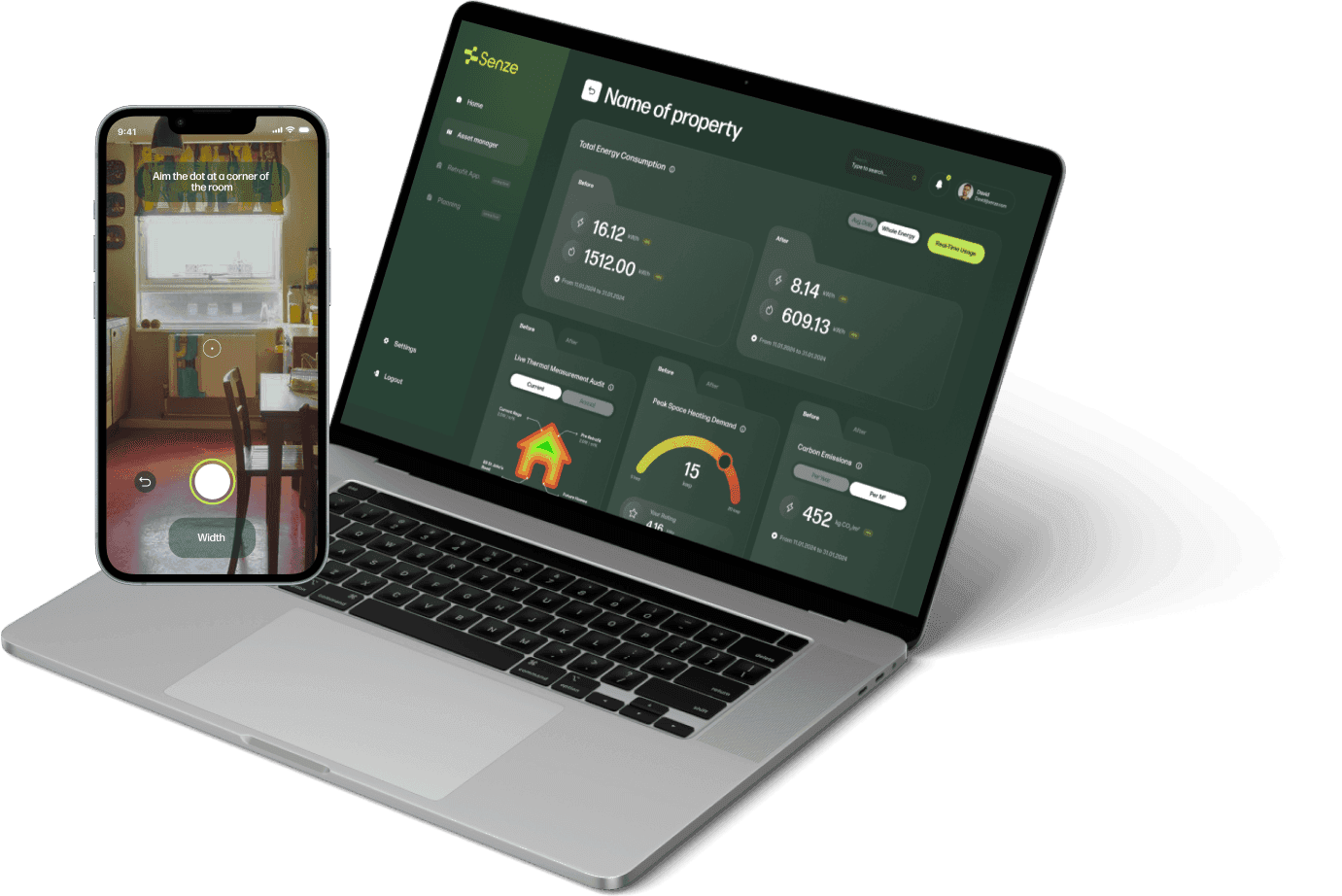
This pilot project is based on an assessment of the expected effects of the technology's data collection and retrofit recommendations. The works themselves have not yet been carried out and so this report explores the effects we expect to arise from use of this measurement-based approach, assuming the recommendations from the technology deployment are implemented.
The assumed counterfactual used in this pilot study is Bromford Flagship's existing programme of retrofit interventions (both planned and historic). There were differences observed in how Bromford and Flagship approached their respective retrofit programmes (their existing retrofit programmes pre-date their merger and so need to be treated separately). Generally, though, both organisations followed a full PAS 2035 compliant process, submitting cost estimates in line with their WH:SHF applications.f
Both programmes used a combination of asset management systems and EPC-modelled data to identify which properties require improvement works (i.e. those rated EPC D or worse), and to recommend appropriate retrofit interventions.
This is broadly in line with the traditional 'modelled' approach to retrofit seen in the social housing sector, where upgrade measures are based primarily on assumptions derived from EPC ratings and SAP calculations rather than on measured property-level data.
Further details on the assumed counterfactual and the methodology behind the comparison can be found in the Appendices.g